
Why Are My Number Plates Peeling? Causes and When to Replace Them
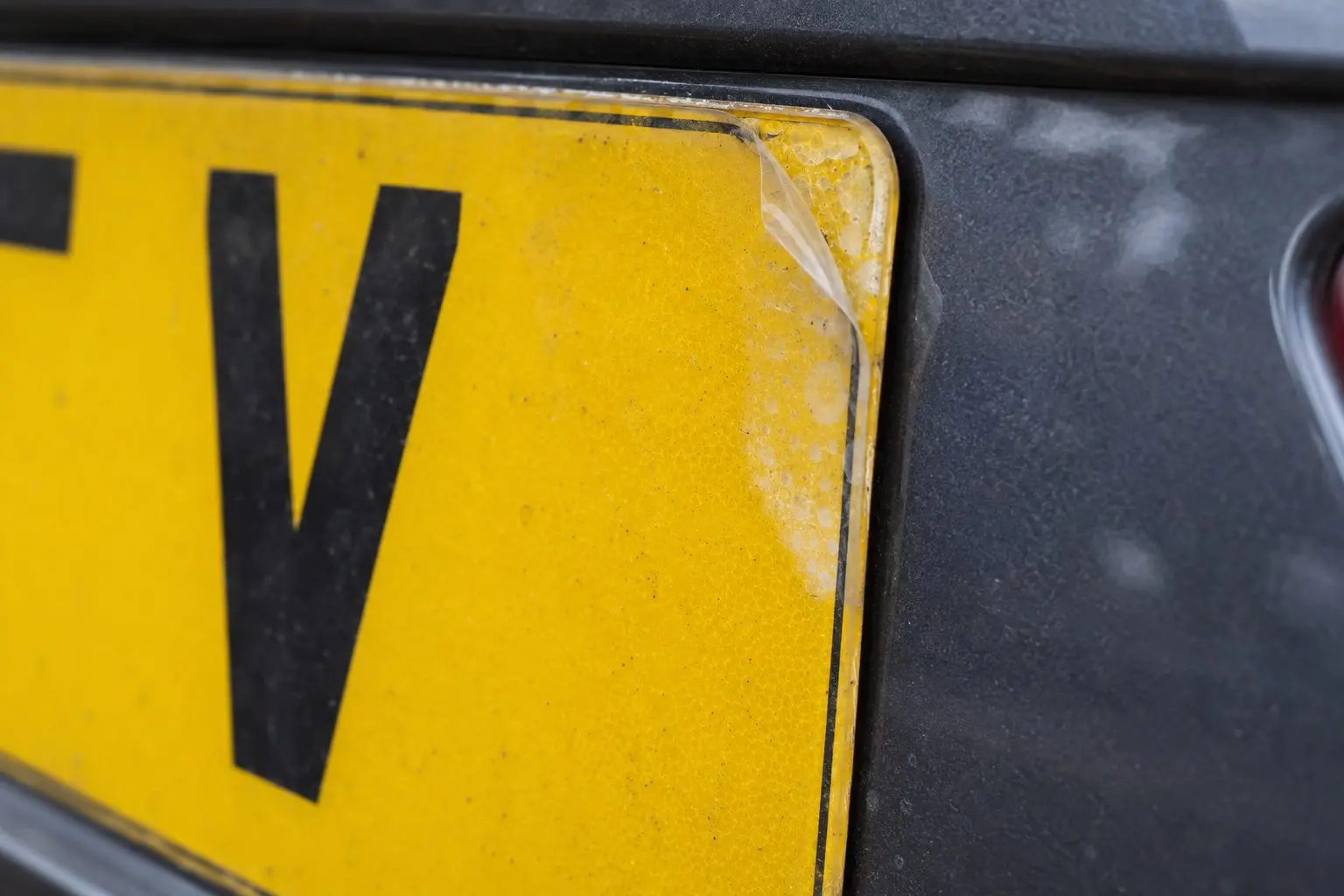
Peeling number plates usually mean the layers of the plate are separating, a process called delamination. You might notice a lifting edge, bubbles or cloudy patches behind the clear face. If the damage affects the registration or reflective background, replacing the plate is the sensible option.
Why do number plates start peeling?
Many number plates use bonded layers. Over time, weathering, moisture entering a damaged edge and wear around fixing holes can weaken that bond. Cracks, impacts and overtightened screws may give water a way in. A pressure washer directed closely at an already lifting edge can make the separation worse.
The exact cause is not always obvious from the outside. If a recently supplied plate starts peeling, take photographs and contact the supplier before attempting a repair. Keep your order details so they can assess the problem and any applicable warranty.
How to spot number plate delamination
Check both plates in good daylight after gently removing surface dirt. Look for:
- Edges or corners lifting away from the plate.
- Bubbles, cloudy areas or dark patches inside the layers.
- Cracking or separation around the screw holes.
- Characters or sections of the background becoming harder to read.
A little dirt on the surface is different from damage inside the plate. Avoid picking at a lifting layer to investigate it, as this can increase the damaged area.
Can a peeling number plate fail an MOT?
Yes. The official MOT inspection manual says registration plates must not be excessively damaged, deteriorated or delaminated. Separation can also interfere with camera recognition. Do not assume a plate is acceptable simply because you can still read it up close.
The GOV.UK number plate rules require reflective material and the correct colours and markings. For modern cars, that means black characters on a white front plate and a yellow rear plate. Our damaged number plate guide explains more.
Can you glue or tape a peeling plate?
Glue or tape is not a reliable way to restore a delaminating plate. It may hide the damage without restoring the original reflective surface, and a covering can affect the appearance of the characters. Do not paint over damaged areas or remove part of the reflective layer.
If the plate itself is separating, replace it. If an intact plate is simply coming away from the vehicle because its adhesive pads have failed, that is a mounting problem: check the holder and use suitable new fixings.
Do you need to replace both number plates?
You can replace just the damaged plate if the other is in good condition and compliant. Choose a yellow rear number plate for the back of the vehicle. Check the registration carefully and measure the mounting space before ordering.
Read our documents guide to prepare your paperwork, and follow our rear plate fitting guide when installing a replacement.
How to look after your replacement plate
Clean it with a soft cloth and a suitable mild cleaner. Avoid abrasive pads, harsh solvents and close pressure washing around the edges. Use the correct fixings and tighten screws gently. Check both plates occasionally so you can spot lifting edges or cracks before the damage spreads.